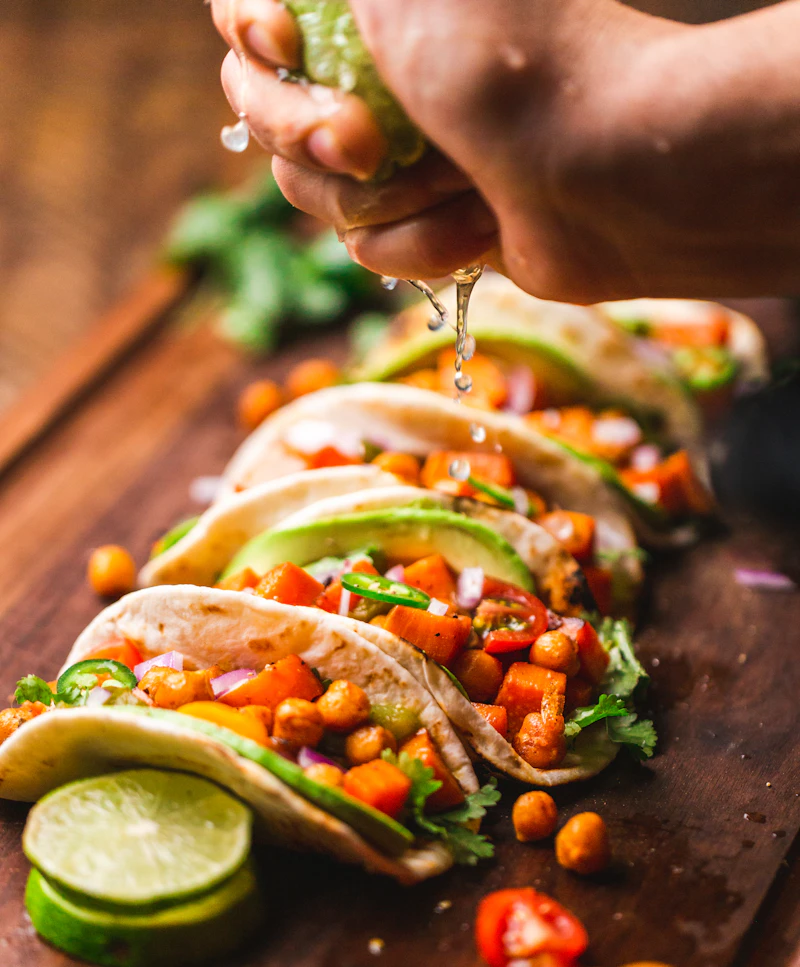
Cochinita Pibil: Yucatan Secret
The cochinita pibil is one of the most emblematic dishes of Yucatecan cuisine, recognized for its exquisite flavor and rich history. This delicious pork stew, seasoned with an achiote marinade and slow-cooked, has been a symbol of Mayan culture and continues to delight palates both within and outside Mexico. In this article, we will explore the history of cochinita pibil, its traditional preparation, regional variants, and practical tips for enjoying this dish at home.
History of Cochinita Pibil
Cochinita pibil has its roots in pre-Hispanic times when the Mayans used oven-cooking techniques in the ground, known as "pibil." The word "pibil" comes from the Maya term "pib," which means "to bury." This cooking method involves wrapping the meat in banana leaves and burying it in a hole with embers, ensuring slow and even cooking.
The dish was traditionally made with wild boar, but with the arrival of the Spaniards and the domestication of pigs, pork became the main ingredient. Over time, cochinita pibil turned into a festive dish, served during celebrations and important events in Yucatecan culture.
Traditional Preparation of Cochinita Pibil
The preparation of cochinita pibil is a meticulous process, but the final result is worth it. Below are the basic steps to make this delicious dish:
- Ingredients:
- 1 kg of pork (leg or shoulder)
- 100 g of achiote paste
- 1/2 cup of sour orange juice
- 4 cloves of garlic
- 1 teaspoon of dried oregano
- Salt to taste
- Banana leaves (optional)
- Marinade: In a bowl, mix the achiote paste, sour orange juice, crushed garlic, oregano, and salt. Marinate the meat in this mixture for at least 4 hours; ideally, leave it overnight.
- Cooking: Preheat the oven to 180°C. Place the marinated meat in a baking tray. If you have banana leaves, wrap the meat in them before placing it in the oven. Cover the tray with aluminum foil to keep the meat moist. Bake for about 3 hours or until the meat is tender and easy to shred.
- Shredding: Once cooked, take the meat out of the oven and let it rest. Then, shred it using two forks.
Regional Variants of Cochinita Pibil
While the traditional recipe for cochinita pibil can be found throughout Yucatan, there are some regional variants that reflect the diversity of Mexican cuisine. Some of them include:
- Cochinita pibil style Campeche: In Campeche, it's common to add tomatoes and other spices, which give a different flavor to the dish.
- Cochinita pibil with habanero sauce: In some regions, it is served with a spicy habanero sauce to enhance the flavors.
- Cochinita pibil with turkey: In certain communities, turkey is used instead of pork, offering a leaner option with a distinct flavor.
Practical Tips for Enjoying Cochinita Pibil
If you want to enjoy authentic cochinita pibil at home, here are some practical tips:
- Use fresh ingredients: Use fresh garlic cloves and sour orange juice for the best flavor.
- Plan ahead: Marinate the meat overnight for the flavors to intensify and the meat to become more tender.
- Use banana leaves: If possible, use banana leaves to wrap the meat. This not only helps retain moisture but also imparts a unique flavor.
- Serve properly: Serve cochinita pibil with pickled red onion and freshly made corn tortillas for an authentic experience.
Conclusion
Cochinita pibil is more than just a dish; it is a representation of the rich cultural heritage of Yucatan. Its history, preparation, and regional variety are a testament to the culinary ingenuity of Mexico. Whether you choose to follow the traditional recipe or experiment with variants, cochinita pibil will always delight those who taste it. Don’t hesitate to share this delicious Yucatecan secret with your friends and family!
```